Wednesday, December 20, 2023

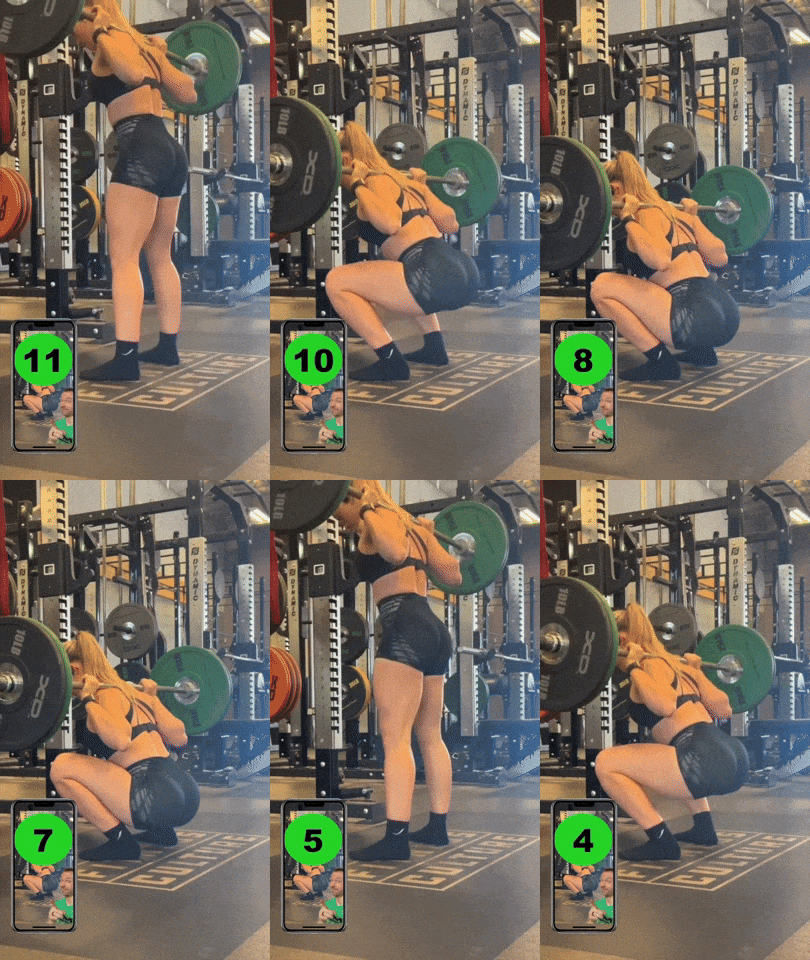
Squats: What Do Squats Do for a Woman's Body?

Squats: What Do Squats Do for a Woman's Body?


Squats are a highly effective and versatile exercise that offers numerous benefits for a woman's body. Here are some key advantages:

  1. Strengthens Lower Body Muscles:

    • Squats primarily target the muscles in the lower body, including the quadriceps, hamstrings, glutes, and calves. This helps improve overall leg strength.
  2. Builds Gluteal Muscles (Buttocks):

    • Squats are renowned for their ability to target and strengthen the gluteal muscles. This not only contributes to a firmer and more lifted buttocks but also enhances overall lower body aesthetics.
  3. Engages Core Muscles:

    • Performing squats engages the core muscles, including the abdominal muscles and lower back. This helps improve core strength and stability.
  4. Promotes Functional Fitness:

    • Squats mimic natural movements like sitting and standing, making them a functional exercise. Improved functional fitness can enhance daily activities and reduce the risk of injury.
  5. Boosts Metabolism:

    • Squats are a compound exercise that engages multiple muscle groups simultaneously. This leads to an increased demand for energy and contributes to a higher metabolic rate, potentially aiding in weight management.
  6. Enhances Joint Health:

    • When performed with proper form, squats can improve joint health by strengthening the muscles around the knees and hips. This may contribute to better joint stability and reduced risk of injury.
  7. Increases Flexibility:

    • Squats require a good range of motion in the hips, knees, and ankles. Regularly practicing squats can contribute to improved flexibility in these areas.
  8. Supports Bone Density:

    • Weight-bearing exercises like squats stimulate the bones, promoting bone density. This is particularly beneficial for women, as it can help reduce the risk of osteoporosis.
  9. Aids in Fat Loss:

    • Squats engage large muscle groups, leading to a higher calorie burn. When combined with a balanced diet, squats can contribute to fat loss and overall body composition improvement.
  10. Improves Posture:

    • Proper squatting technique involves maintaining an upright posture, which helps strengthen the muscles responsible for good posture. Improved posture can reduce strain on the spine and enhance overall body alignment.

Remember, it's crucial to perform squats with proper form to maximize benefits and minimize the risk of injury. If you're new to squats or have any health concerns, consider seeking guidance from a fitness professional.


Friday, December 15, 2023

What is Considered a HIIT Workout?

What is considered a HIIT workout?


High-Intensity Interval Training (HIIT) is a form of cardiovascular exercise characterized by alternating periods of intense, short bursts of activity with periods of rest or lower-intensity exercise. The goal of HIIT is to elevate your heart rate during the intense intervals, followed by brief recovery periods. HIIT workouts can vary in terms of duration, exercises, and intensity, but they generally share some key features:

  1. High Intensity:

    • During the intense intervals, participants push themselves to work at or near their maximum effort. This could involve activities like sprinting, jumping, or performing high-intensity exercises.
  2. Interval Structure:

    • The workout is structured around intervals of work and rest. For example, a common ratio might be 30 seconds of intense exercise followed by 30 seconds of rest or lower-intensity exercise.
  3. Short Duration:

    • HIIT workouts are typically shorter in duration compared to traditional steady-state cardio workouts. A typical HIIT session may last anywhere from 15 to 30 minutes.
  4. Variety of Exercises:

    • HIIT can incorporate a variety of exercises, including bodyweight exercises, cardio movements, and strength training. This variety helps keep the workout engaging and challenging.
  5. Adaptability:

    • HIIT workouts can be adapted to different fitness levels and preferences. They can be done with bodyweight exercises, weights, or a combination of both. The intensity can also be adjusted based on fitness level.
  6. Increased Caloric Burn:

    • Due to the high intensity, HIIT workouts can lead to an increased calorie burn both during and after the workout. This is often referred to as the afterburn effect or excess post-exercise oxygen consumption (EPOC).
  7. Cardiovascular and Metabolic Benefits:

    • HIIT has been shown to improve cardiovascular health, increase metabolic rate, and enhance fat burning. It can be an efficient way to improve both aerobic and anaerobic fitness.

Example of a Simple HIIT Workout:

  • Warm-Up (5 minutes):

    • Light cardio (e.g., jogging in place, jumping jacks).
  • Workout (Repeat for 3 rounds):

    • 30 seconds of high-intensity exercise (e.g., sprinting in place, burpees).
    • 30 seconds of rest or lower-intensity exercise (e.g., walking in place, marching).
  • Cool Down (5 minutes):

    • Stretching and deep breathing exercises.

It's important to note that HIIT may not be suitable for everyone, especially individuals with certain health conditions. Before starting any new exercise program, it's advisable to consult with a healthcare professional or fitness expert, particularly if you have pre-existing health concerns.


Monday, October 30, 2023

Pilates for Weight Loss: Is 30 minutes of Pilates a day enough to lose weight?#hittworkout


Practicing 30 minutes of Pilates a day can be a beneficial component of a well-rounded fitness routine and contribute to overall health and fitness. However, whether this alone is enough to achieve significant weight loss depends on several factors:

1. Caloric Expenditure: Pilates is not typically considered a high-impact, calorie-burning exercise like running or high-intensity interval training (HIIT). While it can help build lean muscle, increase core strength, and improve posture, it may not burn as many calories as more intense workouts. To lose weight effectively, you need to create a caloric deficit by burning more calories than you consume.

2. Dietary Considerations: Weight loss is influenced by your dietary choices. Maintaining a balanced diet that aligns with your weight loss goals is crucial. Reducing your caloric intake and making healthy food choices is often necessary to achieve significant weight loss.

3. Overall Physical Activity: Weight loss is not solely dependent on Pilates. Combining Pilates with regular cardiovascular exercises (e.g., jogging, cycling, brisk walking) can help increase your calorie expenditure and create a caloric deficit.

4. Consistency and Patience: Achieving weight loss and maintaining a healthy weight requires consistent effort over time. A daily Pilates practice, along with a well-balanced diet and regular physical activity, can contribute to your long-term weight management goals.

5. ndividual Factors: Weight loss results vary from person to person based on factors such as metabolism, age, genetics, and starting weight. What works for one individual may not be as effective for another.

If your primary goal is weight loss, it's important to take a holistic approach that includes both diet and exercise. A balanced fitness routine that combines Pilates, cardiovascular workouts, and strength training, along with a well-managed diet, is generally more effective in achieving significant weight loss.

Consulting with a registered dietitian or fitness professional can help you create a personalized plan that aligns with your weight loss objectives and health needs. They can provide guidance on setting realistic goals and monitoring your progress effectively. Remember that gradual, sustainable weight loss is often more successful and easier to maintain over time than rapid weight loss.


Liv Pure Weight loss Supplement


Can you lose weight by doing Pilates?
Does Pilates help you lose belly fat??
Is 30 minutes of Pilates a day enough to lose weight?
Is 20 minutes of Pilates a day enough to lose weight?
How long does it take to see results from Pilates?
 

Monday, September 25, 2023

Unlocking the Secret to Rounder Glutes: What Makes Them Pop? #glutes #gluteworkout How to Get Rounder...

Unlocking the Secret to Rounder Glutes: What Makes Them Pop?


 Unlocking the Secret to Rounder Glutes: What Makes Them Pop?


Round, sculpted glutes are a fitness goal for many, but achieving that coveted shape requires more than just squats. Understanding the factors that contribute to rounder glutes can help you tailor your workout routine and lifestyle choices to maximize results. In this article, we'll explore the key elements that contribute to rounder glutes and provide actionable tips for enhancing their shape.

1. Proper Exercise Selection:
While squats are a staple exercise for building glute strength, a well-rounded workout routine should include a variety of exercises that target the glutes from different angles. Incorporate exercises like lunges, hip thrusts, deadlifts, and glute bridges to effectively activate and develop all three glute muscles: the gluteus maximus, gluteus medius, and gluteus minimus.

2. Progressive Overload:
To see significant growth and roundness in your glutes, it's essential to progressively overload the muscles over time. This means gradually increasing the weight, reps, or intensity of your workouts to continually challenge your muscles and stimulate growth. Aim to increase the resistance or volume of your glute exercises every few weeks to keep making progress.

3. Mind-Muscle Connection:
Developing a strong mind-muscle connection is crucial for effectively targeting and activating the glute muscles during workouts. Focus on contracting the glutes forcefully with each rep, and avoid using momentum or relying on other muscle groups to perform the movement. Visualize your glutes working throughout the exercise to enhance muscle engagement and maximize results.

4. Nutrition and Hydration:
Proper nutrition plays a significant role in muscle growth and development, including the glutes. Ensure you're consuming enough protein to support muscle repair and growth, as well as a balanced diet rich in whole foods to provide essential nutrients and fuel your workouts. Additionally, staying hydrated is crucial for optimal muscle function and recovery.

5. Rest and Recovery:
Allowing your muscles an adequate amount of rest and recovery time is essential for growth and development. Aim for 48-72 hours of rest between intense glute workouts to give your muscles time to repair and rebuild stronger. Incorporate active recovery techniques like foam rolling, stretching, and light cardio to help alleviate muscle soreness and promote blood flow to the glutes.

6. Consistency and Patience:
Building rounder glutes takes time, consistency, and patience. Stay committed to your workout routine and nutrition plan, and be patient with the process. Results won't happen overnight, but with consistent effort and dedication, you'll gradually see improvements in the shape and strength of your glutes.


Achieving rounder glutes requires a combination of proper exercise selection, progressive overload, mind-muscle connection, nutrition, rest, and consistency. By incorporating these key elements into your fitness routine and lifestyle, you can sculpt and enhance the shape of your glutes for a more defined and shapely appearance.


Liv Pure Weight loss Supplement


Saturday, September 9, 2023

Does intermittent fasting work for 50 year old women? #weightloss #diet #weightlossover...

Does intermittent fasting work for 50 year old women?


Intermittent fasting (IF) can be a viable and effective dietary strategy for many individuals, including women in their 50s. However, the suitability and success of intermittent fasting can vary from person to person, and factors such as individual health, lifestyle, and preferences should be considered. Here are some points to consider when evaluating whether intermittent fasting is appropriate for a 50-year-old woman:

1. Health Status:

  • Before starting any intermittent fasting regimen, it's essential to consider existing health conditions. Women with certain health issues, such as diabetes, cardiovascular disease, or hormonal imbalances, should consult with a healthcare professional before adopting intermittent fasting.

2. Hormonal Changes:

  • Women in their 50s often experience hormonal changes associated with perimenopause and menopause. Intermittent fasting may affect hormonal balance, so it's crucial to monitor how the body responds. Some women find that certain fasting protocols, such as time-restricted eating, work well for them, while others may need to adjust the timing and duration of fasting periods.

3. Individual Preferences:

  • Intermittent fasting comes in various forms, such as the 16/8 method (16 hours of fasting, 8 hours of eating), alternate-day fasting, or the 5:2 approach (eating normally for five days and reducing calorie intake on two non-consecutive days). The best approach is one that aligns with individual preferences and lifestyle.

4. Nutrient Intake:

  • It's important to ensure that nutrient needs are met during eating periods. A balanced and nutrient-dense diet with a variety of fruits, vegetables, lean proteins, and whole grains is crucial to support overall health and well-being.

5. Bone Health:

  • Women over 50 are often concerned about bone health. Adequate intake of calcium and vitamin D should be prioritized during eating periods to support bone health. Consider incorporating dairy, fortified plant-based milk, leafy greens, and supplements if necessary.

6. Consistency and Adherence:

  • The success of intermittent fasting depends on consistency and adherence to the chosen eating and fasting windows. If the chosen fasting method is sustainable and aligns with personal preferences, it may be more likely to be maintained over the long term.

7. Consultation with Professionals:

  • Before starting intermittent fasting, it's advisable for individuals, especially those with underlying health concerns, to consult with a registered dietitian or healthcare provider. They can provide personalized guidance based on individual health status, nutritional needs, and lifestyle.

8. Listen to Your Body:

  • Pay attention to how your body responds to intermittent fasting. If it leads to increased energy, improved focus, and satisfaction, it may be suitable. However, if it causes negative effects such as fatigue, irritability, or disruptions to menstrual cycles, adjustments may be needed.

In summary, intermittent fasting can work for some 50-year-old women, but it's essential to approach it with careful consideration of individual health, preferences, and potential hormonal changes. Consulting with healthcare professionals and monitoring how the body responds are crucial steps in determining whether intermittent fasting is a suitable and sustainable dietary approach.


Liv Pure Weight loss Supplement


A Beginner’s Guide to the Smith Machine Bench Press

  A Beginner’s Guide to the Smith Machine Bench Press: Mastering Technique for Maximum Gains The Smith Machine bench press is a fantastic ex...