Friday, May 26, 2023

Cardio Exercise: Which Cardio Burns the Most Fat?


Which Cardio Burns the Most Fat?


 Unveiling the Ultimate Fat-Burning Cardio: Which Cardio Burns the Most Fat?


Cardiovascular exercise, or cardio, is a cornerstone of any fitness routine, especially for those aiming to shed excess body fat. However, with numerous cardio options available, from running to cycling to swimming, determining which one burns the most fat can be challenging. In this article, we'll explore various cardio exercises and uncover which ones are most effective for torching fat and achieving your weight loss goals.

1. Understanding Fat Burning:
Fat burning during exercise occurs when your body utilizes stored fat as a primary source of fuel. While all forms of cardio contribute to fat loss to some extent, certain exercises are more efficient at triggering fat oxidation and boosting metabolism. Factors influencing fat burning include exercise intensity, duration, and individual fitness levels.

2. High-Intensity Interval Training (HIIT):
HIIT has garnered widespread acclaim for its ability to incinerate fat in minimal time. This workout alternates between short bursts of high-intensity exercise and brief recovery periods. HIIT maximizes calorie burn during and after the workout through excess post-exercise oxygen consumption (EPOC), also known as the "afterburn" effect. Studies have shown that HIIT can significantly reduce body fat percentage and improve cardiovascular health in a shorter time compared to steady-state cardio.

3. Sprinting:
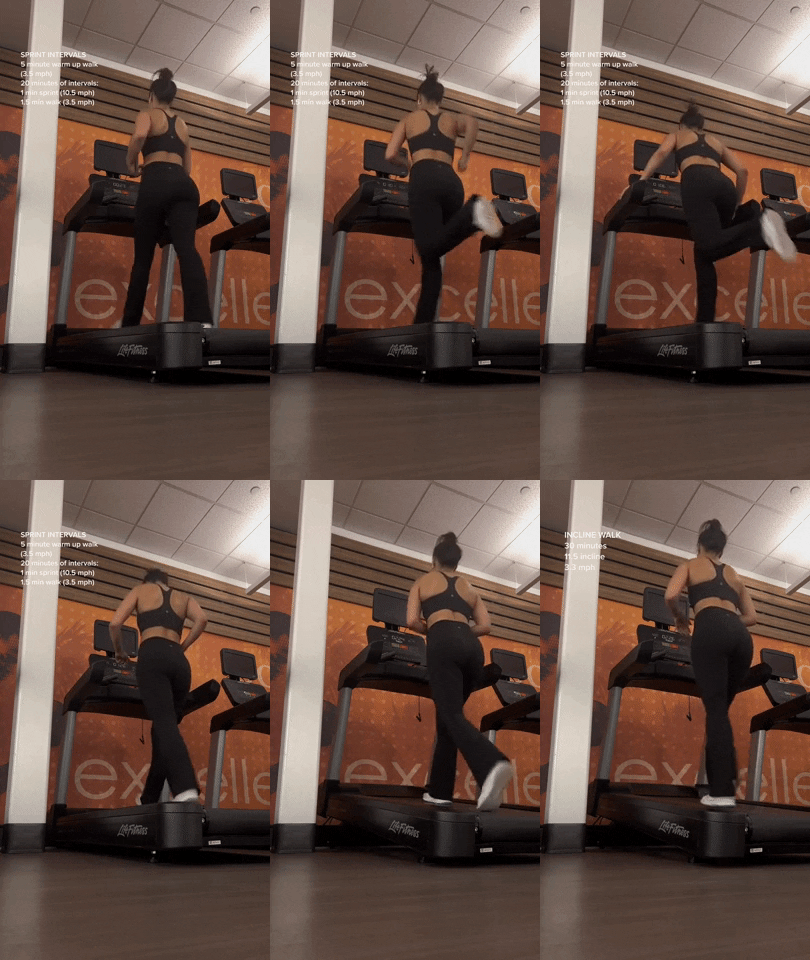
Sprinting is another potent fat-burning cardio option that engages multiple muscle groups and elevates heart rate rapidly. Short, intense sprints activate fast-twitch muscle fibers and stimulate the release of fat-burning hormones like adrenaline and growth hormone. Incorporating sprint intervals into your workout routine can enhance calorie burn, boost metabolism, and promote lean muscle development.

4. Stair Climbing:
Stair climbing offers a challenging yet effective way to torch calories and sculpt lean legs and glutes. Climbing stairs engages major muscle groups like the quadriceps, hamstrings, and glutes while elevating heart rate and increasing energy expenditure. Whether using a stair climber machine or tackling outdoor stairs, stair climbing provides a high-intensity cardiovascular workout that promotes fat loss and improves overall fitness.

5. Cycling:
Both indoor and outdoor cycling are excellent fat-burning cardio options that offer low-impact yet high-intensity workouts. Cycling engages the lower body muscles while providing cardiovascular benefits and calorie-burning potential. Indoor cycling classes, such as spinning, often incorporate interval training and motivational music to maximize fat burn and endurance.

6. Running:
Running remains a popular choice for fat burning due to its accessibility and versatility. Whether jogging outdoors or using a treadmill, running elevates heart rate, engages multiple muscle groups, and promotes calorie expenditure. Incorporating intervals of varying intensity, such as sprints and hill repeats, can enhance fat burning and endurance during runs.


While all cardio exercises contribute to fat burning, certain modalities, such as HIIT, sprinting, stair climbing, cycling, and running, are particularly effective for accelerating fat loss and improving overall fitness. Incorporating a variety of cardio workouts into your routine can keep workouts challenging, enjoyable, and conducive to long-term weight loss success. Remember to pair cardio with a balanced diet and strength training for optimal results and sustainable fat loss journey.




Thursday, May 18, 2023

What are the Best Exercises for Women's Buttocks?

What are the Best Exercises for Women's Buttocks?


Sculpting Your Glutes: The Best Exercises for Women's Buttocks


For many women, achieving sculpted, shapely glutes is a fitness goal that goes beyond aesthetics. Strong glute muscles not only enhance physical appearance but also play a crucial role in functional movement, posture, and overall lower body strength. In this article, we'll explore the top exercises specifically tailored to target and tone the buttocks, helping you build a firm, well-rounded backside.

1. Squats:
Squats are a staple exercise for developing the glutes, quadriceps, and hamstrings. Whether performed with body weight, dumbbells, or a barbell, squats effectively engage the glute muscles while promoting overall lower body strength and stability. Focus on proper form, ensuring your knees track over your toes and your hips push back as you lower into the squat position.

2. Lunges:
Lunges are another effective lower body exercise that targets the glutes, quadriceps, and hamstrings while improving balance and coordination. Forward lunges, reverse lunges, and walking lunges are variations that challenge the glute muscles from different angles. To maximize glute activation, maintain a controlled descent and engage the glutes to push back up to the starting position.

3. Hip Thrusts:
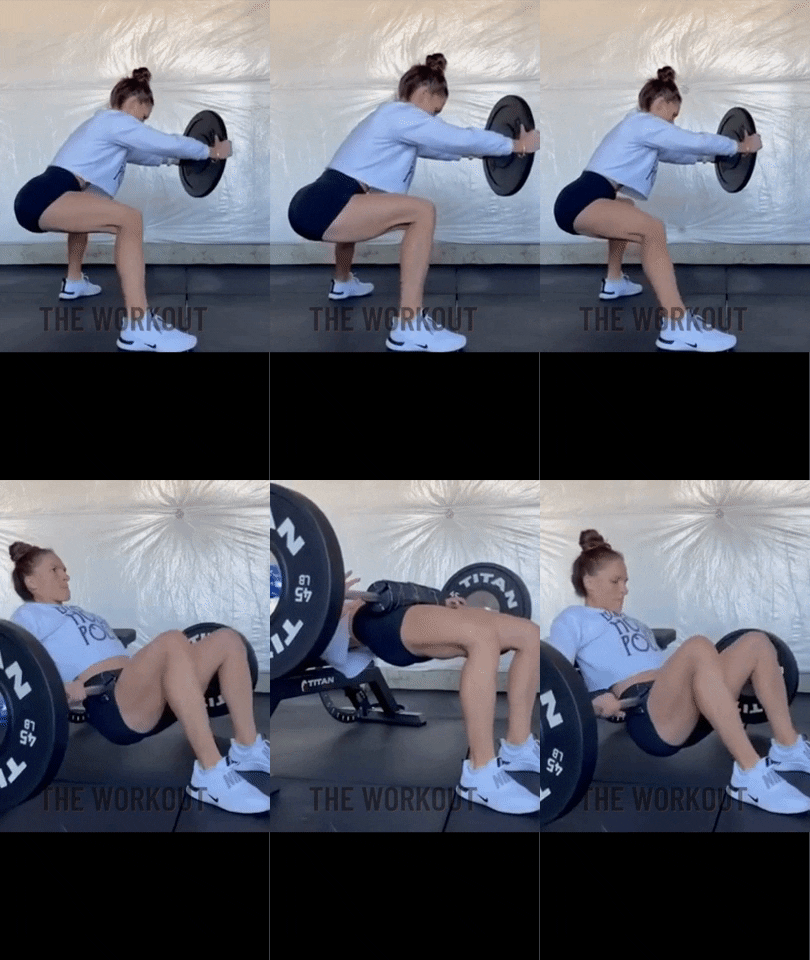
Hip thrusts specifically target the glute muscles and are renowned for their ability to build strength and size in the buttocks. To perform hip thrusts, sit on the ground with your upper back against a bench, knees bent, and feet flat on the floor. Thrust your hips upward, squeezing your glutes at the top of the movement, then lower back down with control. You can increase resistance by adding a barbell or using a resistance band around your thighs.

4. Romanian Deadlifts (RDLs):
RDLs are a compound exercise that primarily targets the hamstrings and glutes while also engaging the lower back and core muscles. Stand with feet hip-width apart, holding a barbell or dumbbells in front of your thighs. Hinge at the hips, keeping your back straight, and lower the weight toward the ground while maintaining a slight bend in the knees. Squeeze your glutes to return to the starting position.

5. Glute Bridges:
Glute bridges isolate and activate the glute muscles while also engaging the core and lower back. Lie on your back with knees bent and feet flat on the floor. Lift your hips toward the ceiling, squeezing your glutes at the top of the movement, then lower back down with control. For added challenge, perform single-leg glute bridges or elevate your feet on a bench.

6. Donkey Kicks:
Donkey kicks target the gluteus maximus and medius muscles, helping to lift and shape the buttocks. Start on all fours with hands directly under shoulders and knees under hips. Keeping your core engaged, lift one leg, pressing the heel toward the ceiling while keeping the knee bent at a 90-degree angle. Lower the leg back down with control and repeat on the opposite side.


Incorporating these top exercises into your workout routine can help you achieve a sculpted and toned buttocks while improving lower body strength, stability, and overall athleticism. Remember to focus on proper form, progressively overload the muscles, and maintain consistency to see noticeable results in your glute development. With dedication and perseverance, you can sculpt the backside of your dreams and enhance your overall physique.


Saturday, April 22, 2023

How Long Does It Take To See Results of HIIT? #youtubeshorts #hiitworkout #athome...


Title: Understanding the Timeline: How Long Does It Take to See Results of HIIT?


High-Intensity Interval Training (HIIT) has gained immense popularity for its efficiency in burning calories, improving cardiovascular health, and enhancing overall fitness levels. However, like any exercise regimen, the timeline for seeing results from HIIT can vary depending on various factors. In this article, we'll explore the typical timeline for experiencing the benefits of HIIT and provide insights into maximizing your results.

1. Immediate Benefits:
   - Improved Mood and Energy: Many individuals experience an immediate boost in mood and energy levels after completing a HIIT session, thanks to the release of endorphins.
   - Increased Metabolic Rate: HIIT sessions elevate your metabolic rate, leading to greater calorie burn both during and after exercise.
   - Enhanced Cardiovascular Health: HIIT can quickly improve cardiovascular health by increasing heart rate and improving circulation.

2. Short-Term Results (2-4 Weeks):
   - Increased Endurance: With consistent HIIT workouts, you'll notice improvements in cardiovascular endurance, allowing you to sustain higher-intensity efforts for longer durations.
   - Initial Weight Loss: HIIT's calorie-burning effects can lead to initial weight loss, particularly when combined with a balanced diet.
   - Muscle Tone and Definition: HIIT stimulates muscle growth and enhances muscle tone, resulting in a more defined physique, especially in areas like the legs, core, and arms.

3. Medium-Term Results (1-3 Months):
   - Fat Loss: Continued adherence to HIIT can lead to significant fat loss, particularly around the abdominal region, as it targets stubborn visceral fat.
   - Strength Gains: HIIT workouts incorporate bodyweight exercises or resistance training, leading to improvements in muscle strength and power.
   - Improved Athletic Performance: HIIT enhances speed, agility, and overall athletic performance, making it beneficial for athletes and fitness enthusiasts alike.

4. Long-Term Results (3+ Months):
   - Sustainable Weight Management: HIIT promotes long-term weight management by increasing lean muscle mass, which boosts metabolism and calorie expenditure.
   - Enhanced Overall Fitness: Over time, HIIT enhances overall fitness levels, including aerobic capacity, muscular endurance, and flexibility.
   - Health Benefits: Regular HIIT practice has been linked to reduced risk factors for chronic diseases such as diabetes, hypertension, and cardiovascular disease.


While individual results may vary, consistency is key to seeing significant and sustainable results from HIIT. By committing to regular HIIT workouts, maintaining a balanced diet, and prioritizing recovery, you can achieve your fitness goals and experience the numerous benefits that HIIT has to offer. Remember that progress takes time, so stay patient, stay motivated, and enjoy the journey toward a fitter, healthier you.


Monday, April 3, 2023

When to Drink Protein Shakes for Weight Loss Female: Are Protein Shakes Good for Wei...


The Ultimate Guide: When to Drink Protein Shakes for Weight Loss (Female)


Protein shakes have long been popular among fitness enthusiasts, and for good reason. They're convenient, versatile, and can be an effective tool for supporting weight loss goals, especially for women. However, timing is key when it comes to maximizing the benefits of protein shakes for weight loss. In this comprehensive guide, we'll explore the optimal timing for consuming protein shakes to aid in female weight loss efforts.

Understanding Protein Shakes for Weight Loss:
Before delving into timing, it's essential to understand the role of protein shakes in the context of weight loss. Protein is a vital macronutrient that helps build and repair tissues, supports muscle growth, and promotes satiety, making it an invaluable component of any weight loss regimen. Protein shakes offer a convenient way to increase protein intake, especially for women with busy lifestyles or dietary restrictions.

When to Drink Protein Shakes for Weight Loss:
1. Post-Workout:
Consuming a protein shake within 30 minutes to an hour after a workout can help replenish glycogen stores, repair muscle tissue, and support muscle recovery and growth. This post-workout window is known as the "anabolic window," during which the body is primed to absorb nutrients more efficiently, making it an ideal time to consume a protein shake.

2. Between Meals:
Drinking a protein shake between meals can help curb cravings, stabilize blood sugar levels, and prevent overeating at subsequent meals. Additionally, spreading protein intake throughout the day can support muscle maintenance and fat loss while keeping metabolism revved up.

3. As a Meal Replacement:
Replacing one or two meals per day with a protein shake can be an effective strategy for reducing overall calorie intake and promoting weight loss. However, it's crucial to choose a high-quality protein shake that provides essential nutrients and satisfies hunger to prevent feelings of deprivation or nutrient deficiencies.

4. Before Bed:
Consuming a protein shake before bed can help prevent muscle breakdown overnight and promote muscle repair and growth during sleep. Casein protein, which is slow-digesting, is often recommended for bedtime consumption as it provides a sustained release of amino acids throughout the night.

5. Upon Waking:
Starting the day with a protein shake can kickstart metabolism, promote satiety, and provide a steady source of energy to fuel morning activities. Adding fiber-rich ingredients like fruits, vegetables, or oats to your morning protein shake can further enhance its satiating effects and support digestive health.


While the timing of protein shake consumption can vary based on individual preferences, goals, and lifestyle factors, incorporating protein shakes strategically throughout the day can support female weight loss efforts by promoting muscle growth, enhancing satiety, and regulating appetite. Experiment with different timing strategies to find what works best for you, and remember to prioritize whole foods and a balanced diet alongside protein shake consumption for optimal results. With consistency and dedication, protein shakes can be a valuable ally in achieving your weight loss goals as a woman.


Friday, March 24, 2023

Weight Loss Pills That Actually Work: Why Don't More People Use Them? #...


Weight loss pills or supplements can be a tempting option for those looking to lose weight, but it's crucial to approach them with caution. Not all weight loss pills are safe or effective, and their efficacy can vary significantly from person to person. Here are some weight loss pills or supplements that have shown some effectiveness, but I want to emphasize that you should consult with a healthcare professional before taking any weight loss supplements, as they can have potential side effects and interactions with other medications or health conditions:

1. Orlistat (Alli, Xenical): Orlistat is an FDA-approved over-the-counter (Alli) and prescription (Xenical) weight loss medication. It works by reducing the absorption of dietary fat in the intestines. Orlistat has been shown to help with modest weight loss when used in combination with a reduced-calorie diet.

2. Phentermine-Topiramate (Qsymia): Phentermine-topiramate is a prescription medication that combines two drugs. It works to reduce appetite and increase feelings of fullness. It can lead to significant weight loss when used as part of a comprehensive weight management program.

3. Buproprion-Naltrexone (Contrave): This prescription medication combines two drugs that work together to control appetite and cravings. It is used as part of a weight management program, which includes diet and exercise.

4. Liraglutide (Saxenda): Liraglutide is an injectable prescription medication that mimics a hormone that regulates appetite. It can lead to weight loss when used in conjunction with a reduced-calorie diet and exercise.

5. Green Tea Extract: Some studies suggest that green tea extract, which contains catechins and caffeine, may help with weight loss by increasing metabolism and fat oxidation. However, the effects can be modest.

6. Garcinia Cambogia: This tropical fruit extract is often found in weight loss supplements. Some studies have suggested it may have a small impact on weight loss, but results are inconsistent.

7. Conjugated Linoleic Acid (CLA): CLA is a fatty acid found in meat and dairy products and is available as a supplement. Some research indicates it may help with modest fat loss.

It's important to note that while these supplements may have some evidence of effectiveness, they are not a "magic solution" for weight loss. Their effects are typically modest, and they work best when combined with a healthy diet and regular exercise.

Additionally, there are many weight loss supplements on the market that are not backed by scientific evidence and may have potential risks or side effects. Before considering any weight loss pill or supplement, consult with a healthcare professional who can provide guidance based on your individual health needs and goals.

Weight Loss Supplement


Monday, February 27, 2023

What is the Best Strength training for Beginners? #weighttraining #strengthtraining ...


For beginners, it's essential to start with a strength training program that focuses on learning proper form, building a foundation of strength, and gradually increasing intensity over time. Here are some of the best strength training exercises for beginners:

  1. Bodyweight Squats:

    • Stand with your feet shoulder-width apart.
    • Lower your body by bending your knees and pushing your hips back as if you're sitting into a chair.
    • Keep your chest up and core engaged.
    • Lower down until your thighs are parallel to the ground, then push through your heels to return to the starting position.
    • Bodyweight squats help strengthen the lower body, including the quadriceps, hamstrings, and glutes.
  2. Push-Ups:

    • Start in a plank position with your hands shoulder-width apart and wrists directly under your shoulders.
    • Lower your body towards the ground by bending your elbows, keeping them close to your body.
    • Keep your core engaged and your body in a straight line from head to heels.
    • Push back up to the starting position, fully extending your arms.
    • Push-ups target the chest, shoulders, and triceps, as well as the core muscles for stability.
  3. Dumbbell or Kettlebell Goblet Squats:

    • Hold a dumbbell or kettlebell at chest height with both hands.
    • Stand with your feet shoulder-width apart.
    • Lower your body into a squat position, keeping your chest up and core engaged.
    • Keep the weight close to your body as you squat down.
    • Push through your heels to return to the starting position.
    • Goblet squats add resistance to the squat movement, helping to increase strength in the lower body.
  4. Dumbbell or Kettlebell Rows:

    • Hold a dumbbell or kettlebell in each hand, palms facing each other.
    • Hinge at the hips, keeping your back flat and chest up.
    • Allow the weights to hang down towards the ground.
    • Pull the weights towards your body by bending your elbows and squeezing your shoulder blades together.
    • Lower the weights back down with control.
    • Rows target the muscles of the upper back, including the rhomboids, traps, and rear deltoids.
  5. Planks:

    • Start in a push-up position with your hands shoulder-width apart and wrists directly under your shoulders.
    • Engage your core and keep your body in a straight line from head to heels.
    • Hold the position, focusing on keeping your core muscles engaged and avoiding sagging or arching.
    • Planks help strengthen the core muscles, including the abdominals, obliques, and lower back.
  6. Dumbbell or Kettlebell Presses:

    • Hold a dumbbell or kettlebell in each hand at shoulder height, palms facing forward.
    • Stand with your feet hip-width apart and core engaged.
    • Press the weights overhead, fully extending your arms.
    • Lower the weights back down with control.
    • Shoulder presses target the deltoid muscles of the shoulders and triceps.

When starting a strength training program as a beginner, it's essential to focus on mastering proper form and technique before progressing to heavier weights or more advanced exercises. Start with lighter weights or resistance and gradually increase as you become more comfortable with the movements. Additionally, be sure to warm up before your workout and cool down afterward to prevent injury and promote recovery. If you're unsure about how to perform any exercises or create a suitable workout plan, consider working with a certified personal trainer who can provide guidance and support tailored to your individual needs and goals.


Thursday, February 16, 2023

Can You Lose Weight Doing HIIT at Home? #fitness #exercise #hiit


Exploring the Effectiveness of Home HIIT Workouts for Weight Loss


High-Intensity Interval Training (HIIT) has emerged as a popular workout choice for individuals looking to shed excess weight and improve overall fitness levels. With the convenience of performing HIIT workouts at home, many people are curious about its effectiveness for weight loss. In this article, we'll delve into the science behind home HIIT workouts and their potential impact on weight loss.

1. Understanding HIIT:
   - HIIT involves short bursts of intense exercise followed by brief periods of rest or lower-intensity activity.
   - These alternating intervals challenge both the cardiovascular and muscular systems, leading to enhanced calorie burn and metabolic rate.

2. Benefits of Home HIIT Workouts:
   - Convenience: Home HIIT workouts eliminate the need for expensive gym memberships or commute time, making it easier to adhere to a regular exercise routine.
   - Time-Efficient: HIIT sessions can be completed in as little as 20-30 minutes, making them ideal for individuals with busy schedules.
   - Minimal Equipment: Many HIIT workouts require minimal or no equipment, utilizing bodyweight exercises such as squats, lunges, and burpees.

3. Effectiveness for Weight Loss:
   - Increased Calorie Burn: HIIT workouts elevate the heart rate and metabolism, leading to greater calorie expenditure during and after exercise.
   - Fat Loss: Research suggests that HIIT may be more effective at reducing body fat, particularly abdominal fat, compared to steady-state cardio exercises.
   - Muscle Preservation: Unlike steady-state cardio, HIIT helps preserve lean muscle mass while promoting fat loss, preventing a decrease in metabolic rate.

4. Tips for Maximizing Weight Loss with Home HIIT Workouts:
   - Consistency is Key: Aim to incorporate HIIT workouts into your weekly routine, ideally 3-5 times per week.
   - Progression: Gradually increase the intensity or duration of your HIIT sessions as your fitness level improves to continue challenging your body.
   - Balanced Diet: Pairing HIIT workouts with a balanced diet rich in whole foods will support your weight loss efforts and overall health.
   - Listen to Your Body: Pay attention to your body's signals and adjust the intensity or duration of your workouts as needed to avoid overtraining or injury.


Home HIIT workouts can be an effective and convenient way to lose weight when combined with a healthy lifestyle. By incorporating regular HIIT sessions into your routine, maintaining a balanced diet, and staying consistent with your efforts, you can achieve your weight loss goals and enjoy the numerous benefits of HIIT training in the comfort of your own home.


A Beginner’s Guide to the Smith Machine Bench Press

  A Beginner’s Guide to the Smith Machine Bench Press: Mastering Technique for Maximum Gains The Smith Machine bench press is a fantastic ex...